In today’s digital-first business environment, Software-as-a-Service (SaaS) platforms have become the go-to solution for everything from project management and accounting to customer relationship management and e-commerce. However, as businesses scale globally, a major yet often overlooked concern arises: SaaS compliance and data protection compliance across international borders.
Failure to use SaaS tools that meet international data protection standards—like the GDPR in the European Union or LGPD in Brazil—can lead to severe legal, financial, and reputational consequences. For global entrepreneurs and businesses operating in or with the United States, understanding how SaaS compliance aligns with international data protection laws is not just advisable—it’s essential.
In this article, we’ll unpack the risks, obligations, and strategies tied to SaaS compliance with international data protection laws, especially for businesses working with MyUSAService to establish or grow a U.S.-based entity.
Understanding International Data Protection Laws
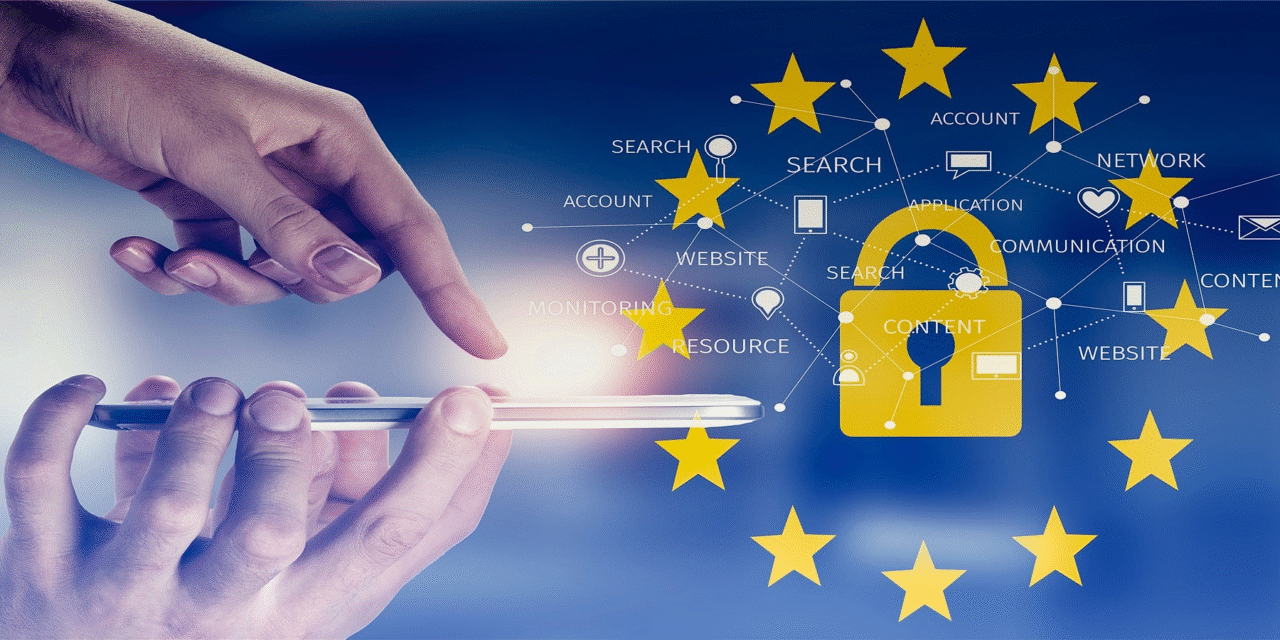
International data protection laws are designed to safeguard the personal data of individuals. The General Data Protection Regulation (GDPR) in the EU, the Personal Information Protection and Electronic Documents Act (PIPEDA) in Canada, and Brazil’s Lei Geral de Proteção de Dados (LGPD) are just a few prominent examples. For businesses using cloud-based software, SaaS compliance with these regulations is critical to ensure lawful data handling and to avoid potential violations.
These laws define how data must be collected, processed, stored, and transferred—particularly when it’s being handled across borders. Without proper SaaS compliance, if a provider stores or transfers user data without adequate protections, your business may be seen as complicit in violating these laws—even if you’re U.S.-based.
Key takeaway: Simply using a U.S.-based SaaS tool does not insulate you from international data responsibilities if you serve customers or handle data from other countries.
Legal Liability for Non-Compliance Falls on the Data Controller—That’s You
In the context of most data protection laws, your business is considered the “data controller”—you determine how and why personal data is used. SaaS platforms act as “data processors” on your behalf.
If a SaaS platform lacks compliant data handling processes or fails to honor individual data rights (like the right to be forgotten or the right to data portability), your business could be held liable—not the SaaS provider. Without proper SaaS compliance, you expose your company to significant regulatory risk. Fines under the GDPR can reach €20 million or 4% of global revenue, whichever is higher.
Best practice: Always vet your SaaS vendors through a SaaS compliance lens. Ask for their Data Processing Agreements (DPAs) and look for certifications like ISO 27001 or adherence to frameworks such as the EU-U.S. Data Privacy Framework.
Cross-Border Data Transfers Are Heavily Regulated
Many SaaS companies operate global data centers or rely on cloud providers that transfer data internationally. However, under SaaS compliance requirements, data transfers from the EU to countries without “adequate” protection—like the U.S.—must be legally justified.
Following the invalidation of the Privacy Shield framework by the Court of Justice of the European Union (Schrems II ruling), U.S.-based SaaS providers have been under increased scrutiny. This makes Standard Contractual Clauses (SCCs) or the new EU-U.S. Data Privacy Framework critical tools for legal transfers.
Implication: If your SaaS provider doesn’t use these mechanisms, or if you don’t incorporate them into your contracts, you risk violating SaaS compliance requirements—even if the data transfer is automated and not obvious.
Reputation Damage and Customer Distrust
Compliance isn’t just about avoiding fines—it’s also about maintaining customer trust. Consumers are increasingly aware of how their data is handled, especially in privacy-conscious markets like the EU, Canada, and California. Demonstrating strong SaaS compliance can enhance your credibility and reassure customers that their personal information is being managed responsibly.
If your SaaS platform experiences a breach, lacks privacy controls, or ignores data subject access requests (DSARs), your customers will likely blame you—not your vendor. Bad press, social media backlash, and public investigations can severely damage your brand.
Trust-building tip: Make privacy a selling point. Choose transparent SaaS vendors and include a privacy policy that outlines exactly how third-party tools handle data.
SaaS Providers May Not Be Up to Date with Legal Changes
International data protection laws evolve rapidly. For instance, the GDPR introduced fresh rules around automated decision-making, AI, and biometric data. Some SaaS providers—especially smaller or non-U.S. vendors—may not have updated their practices to maintain proper SaaS compliance, putting your business at risk.
This puts your business at risk of using outdated or illegal practices—such as excessive data retention, non-consensual tracking, or failure to honor opt-out requests.
Mitigation strategy: Regularly audit your SaaS tools for updates and changes to their privacy practices. Work only with vendors that commit to maintaining compliance through evolving standards.
Third-Party Integrations Multiply Your Exposure
Even if your primary SaaS provider complies with international data laws, third-party integrations or plugins may not. This can compromise your overall SaaS compliance strategy. For example, a CRM may allow plugin integrations with tools that track behavioral data or store unencrypted personal data in offshore servers.
These “shadow” processors can become blind spots in your compliance strategy. Worse, they may not sign DPAs or provide adequate transparency.
Solution: Maintain a vendor management program. Map your data flows and document every integration and sub processor. If a sub processor doesn’t meet your data standards, disable the integration.
You May Need a Data Protection Officer or Local Representative
Depending on where your customers are located and the volume of data you process, international laws may require that you appoint a Data Protection Officer (DPO) or designate a representative in that jurisdiction.
If you’re using non-compliant SaaS platforms, it becomes almost impossible for a DPO or representative to fulfill their duties—like responding to regulator requests or performing impact assessments.
Pro tip: If you’re setting up a U.S. business through MyUSAService but serving EU customers, you may still need an EU-based representative under Article 27 of the GDPR.
Conclusion
In a borderless digital economy, your business can’t afford to overlook international data protection compliance, especially when it comes to your SaaS stack. While SaaS platforms are critical to modern operations, they also introduce serious compliance risks if they fail to meet the legal standards of the markets you serve.
Whether you’re an international entrepreneur expanding to the U.S. or a domestic company going global, MyUSAService can help you navigate these complexities with a holistic approach to entity formation, data storage compliance, overall compliance, and vendor vetting.